After East High’s season-opener, quarterback Jeffrey Turner went home and told his aunt about the football game. He mentioned he absorbed a crunching hit, but he shrugged it off and said he felt fine. Turner’s coach, Jeff Trotter, said Turner didn’t show any outward signs of injury during the game.
Come morning, though, Turner woke with a headache, sensitivity to light, and trouble keeping his balance. He didn’t remember the game. He opened the newspaper to discover the result he couldn’t recall — Palmer 14, East 0.
Turner’s aunt took him to the emergency room, where he was diagnosed with a concussion and told not to participate in contact drills for a week. His coach, who owns a doctorate in physical therapy, took it one step further – he held Turner out of practice all week and out of the next two games, including one on Turner’s 18th birthday.
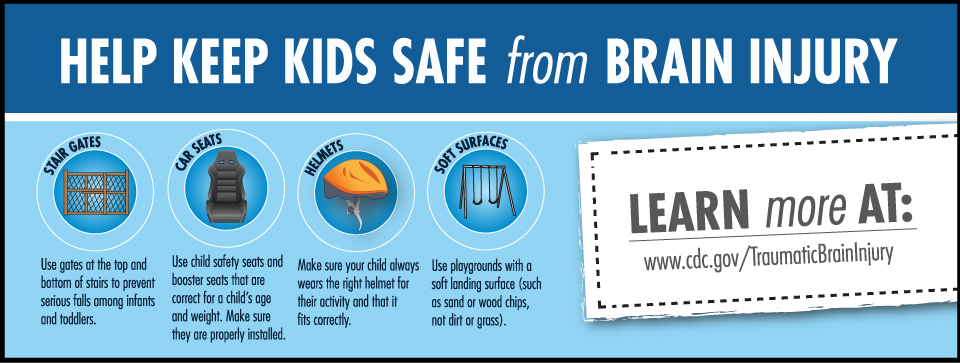
Source: Centers for Disease Control and Prevention
Turner said he’s thankful a new Anchorage School District concussion policy, prompted by a bill signed into Alaska State law the previous summer, guided his return.
‘We want this to be an 18th birthday celebration, not the day you got paralyzed.’
The state house bill introduced by Rep. Mike Doogan of Anchorage and signed by Gov. Sean Parnell requires school districts to educate coaches, students and parents about the risk of concussions and traumatic brain injuries. Under the law, any athlete suspected of suffering a concussion or brain trauma must be immediately removed from competition or practice and must not return to activity until cleared by a licensed health care professional.
When it comes to his brain, Turner said, no risk is worth the rewards of high school football.
“My aunt said something that really hit me: ‘We want this to be an 18th birthday celebration, not the day you got paralyzed,’ “ Turner said.
Trotter said he took a cautious approach with Turner: “I’d rather be safe than sorry.”

